From scratch to the studio floor
Kora is an iPhone and Apple Watch app that helps reformer fitness instructors create classes and run them while teaching. I took it from a problem I noticed at home to a real, self-funded product with more than 200 paying customers.
I was responsible for the product, design, and build, with my partner Chelsi bringing the instructor's perspective and helping get Kora into the community. AI helped me write production code. But figuring out what to build, how it should work, and how to get people to care about it was still a human job.
A problem hiding in plain sight
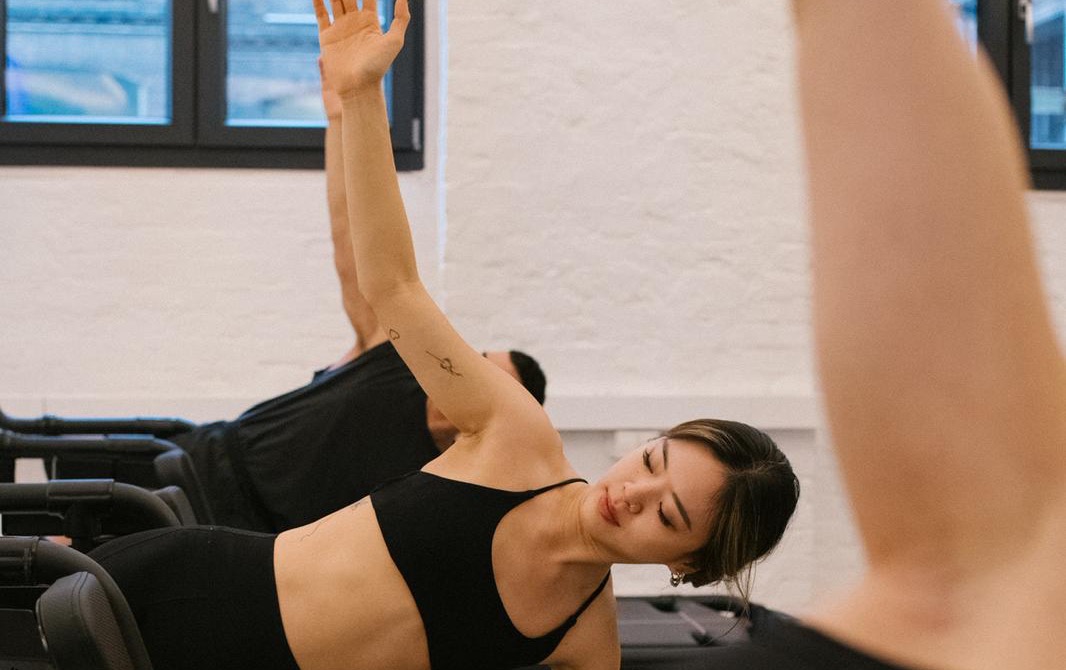
Chelsi is an instructor. I'd watch her spend 45 minutes, sometimes hours, putting together a class in generic timer apps. The tools could count seconds, but building a good class meant an awful lot of fiddling with the tool instead of thinking about the class itself.
Before starting, I spoke with other instructors, looked closely at alternatives, and used AI research tools to understand the size of the niche. The same frustration kept coming up. This was not a mass-market opportunity, but it was a specific problem for an identifiable group of people, with room to expand into other reformer training formats later.
That felt like a good place to start.
Start with one move, not a whole plan
The most important design decision came from watching how instructors actually create. A class might end up organized into sections, but that does not mean instructors want to define the entire structure before they have added a single exercise.
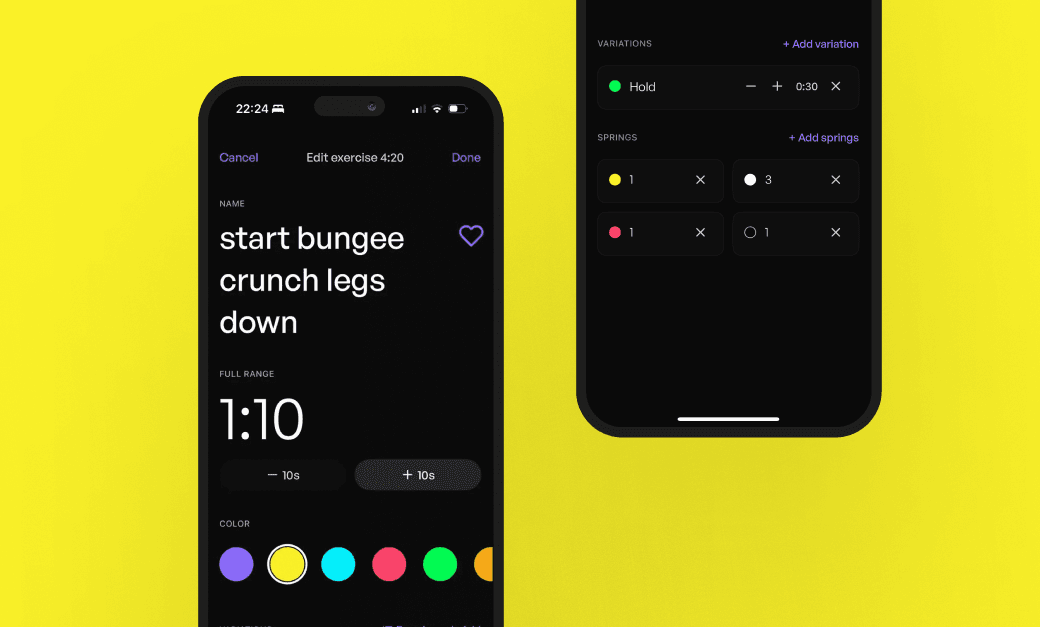
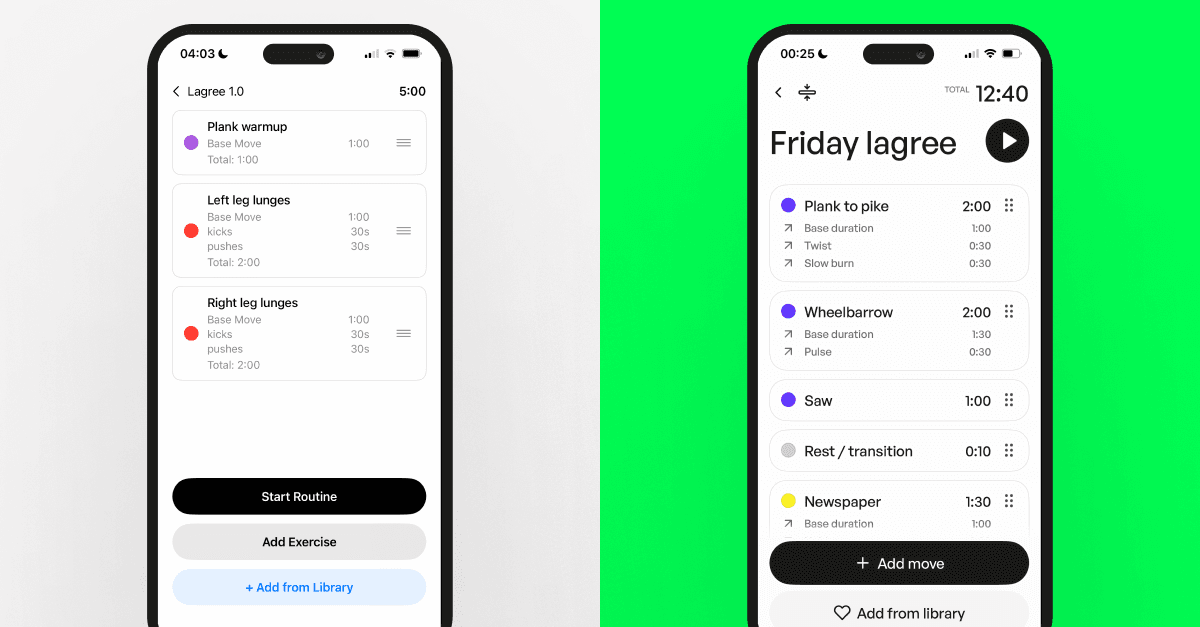
Some existing tools started with those structures. I went the other way. Start with one move. Give it a duration, variation, body-part color, and spring setting. Add the next move. Rearrange things. Let the class take shape as you go.
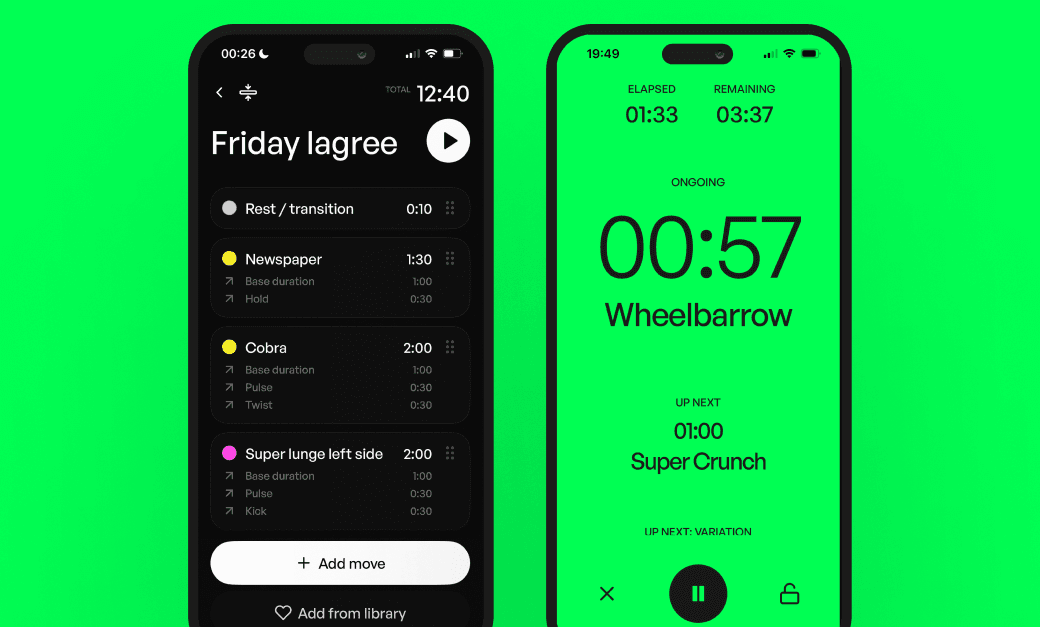
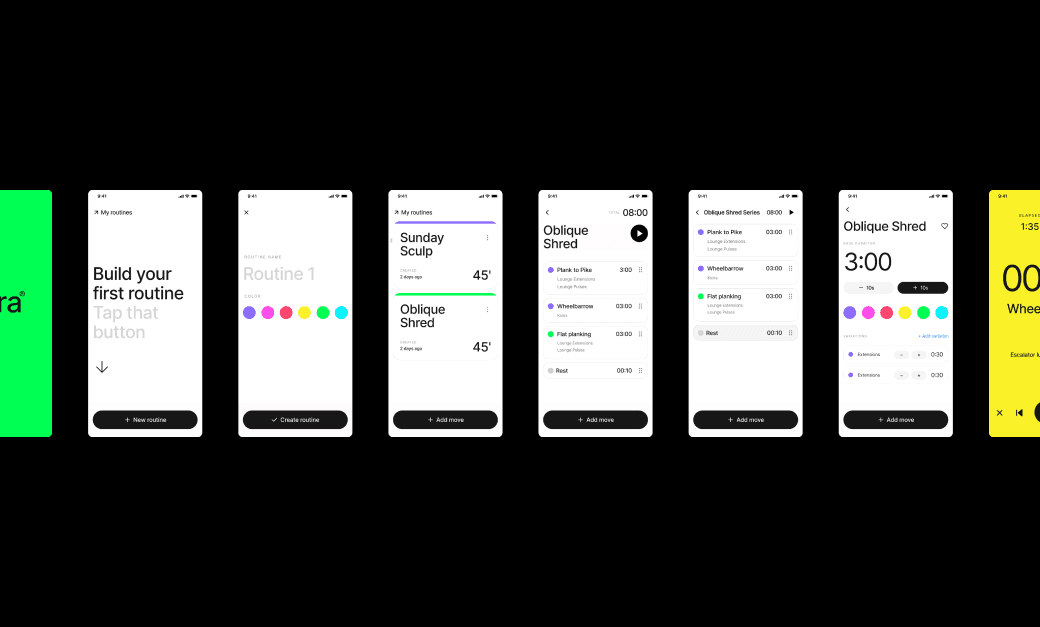
That idea shaped the entire product: simple elements that can become something more complex without getting in the way. I carried the same thinking into the visual system—one typeface, six font sizes, a black-and-white base, and a single accent color. I designed the key interactions myself, used AI to speed up some more generic screens, and refined everything into a reusable system.
I wanted Kora to feel designed, not generated.
Learning to build the whole thing
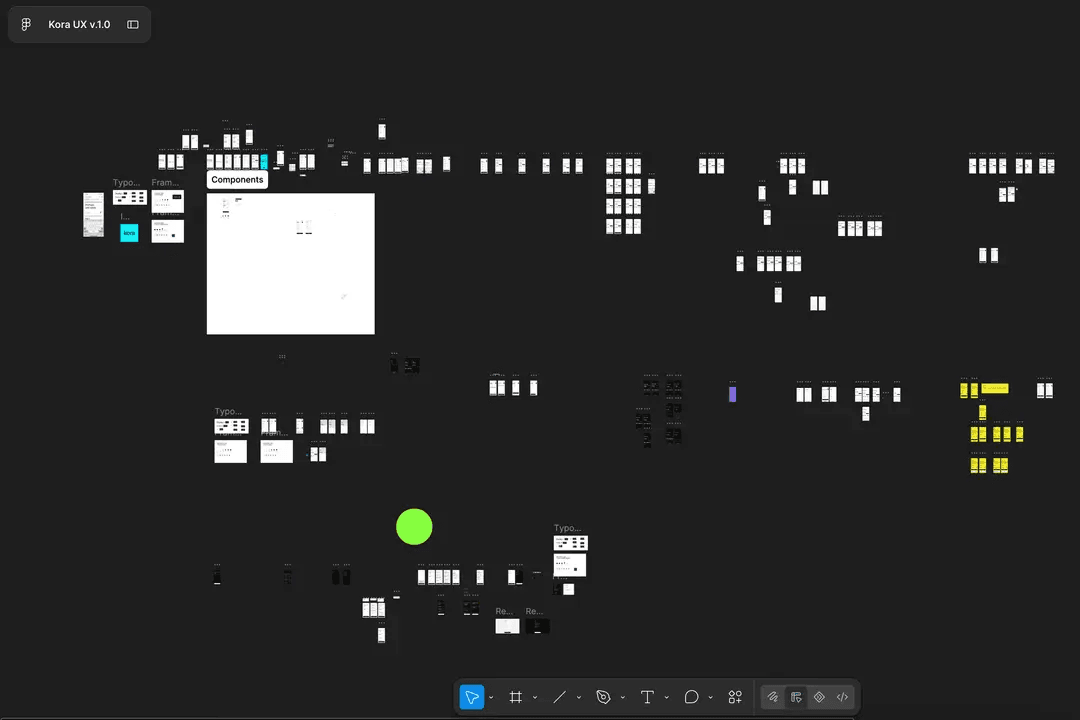
I'd experimented with AI app builders before, but kept running into the same question: nice prototype—now how do I actually ship it? For Kora, I chose native SwiftUI for iOS and watchOS, working in Xcode, with a clear path to the App Store.
I treated AI like a tiny engineering team. I'd work through the architecture and implementation plan with Claude Opus, have Claude Code propose the changes, review the files and risks, and only then let it write code. After that came testing on a real iPhone and Apple Watch. Repeat. A lot.
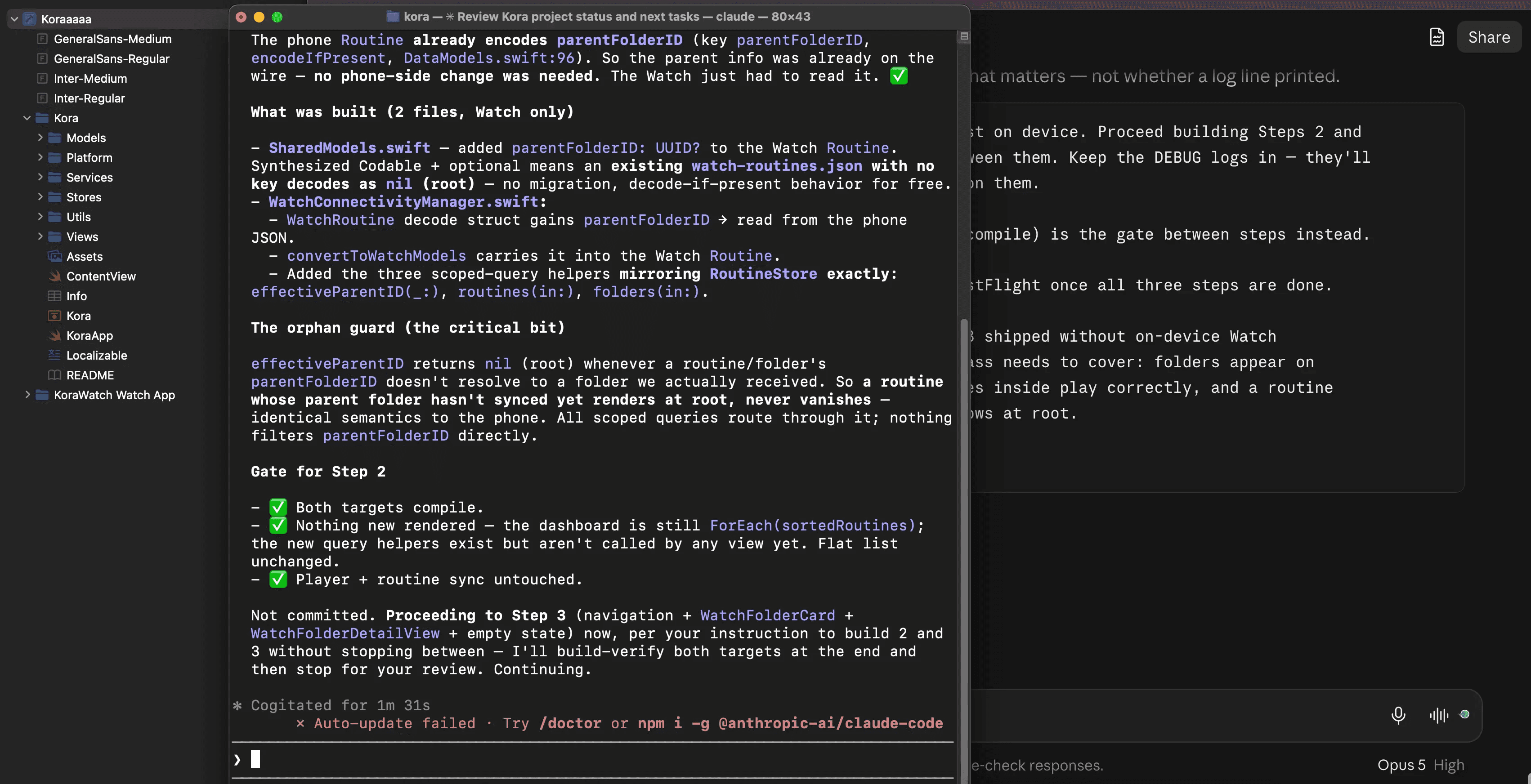
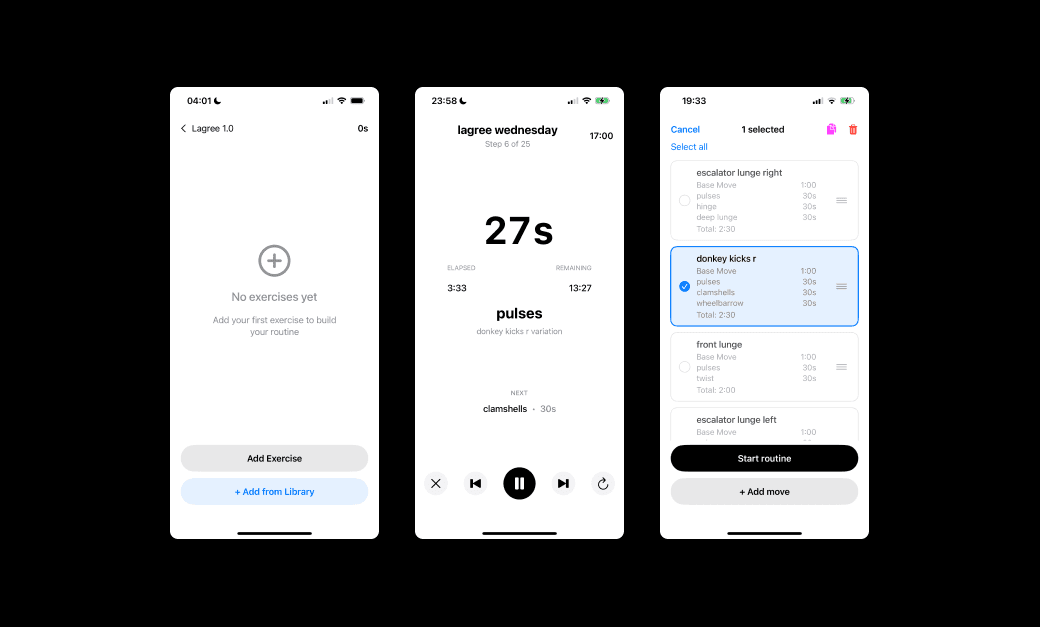
It was not a one-way process. I would sometimes challenge what the coding agent said was possible. Other times it surprised me. For the live-class player, I originally wanted a fixed timer above scrollable content. The implementation instead introduced an elastic scroll-back interaction. I tried it, liked it more, and kept it. A technical detour had produced a better experience.
Building it was only half the job
Kora launched in April 2026 with the core class builder and player. From there, real use shaped what came next, including spring settings and routine sharing. The simple foundation made it possible to keep adding things without rebuilding the product each time.
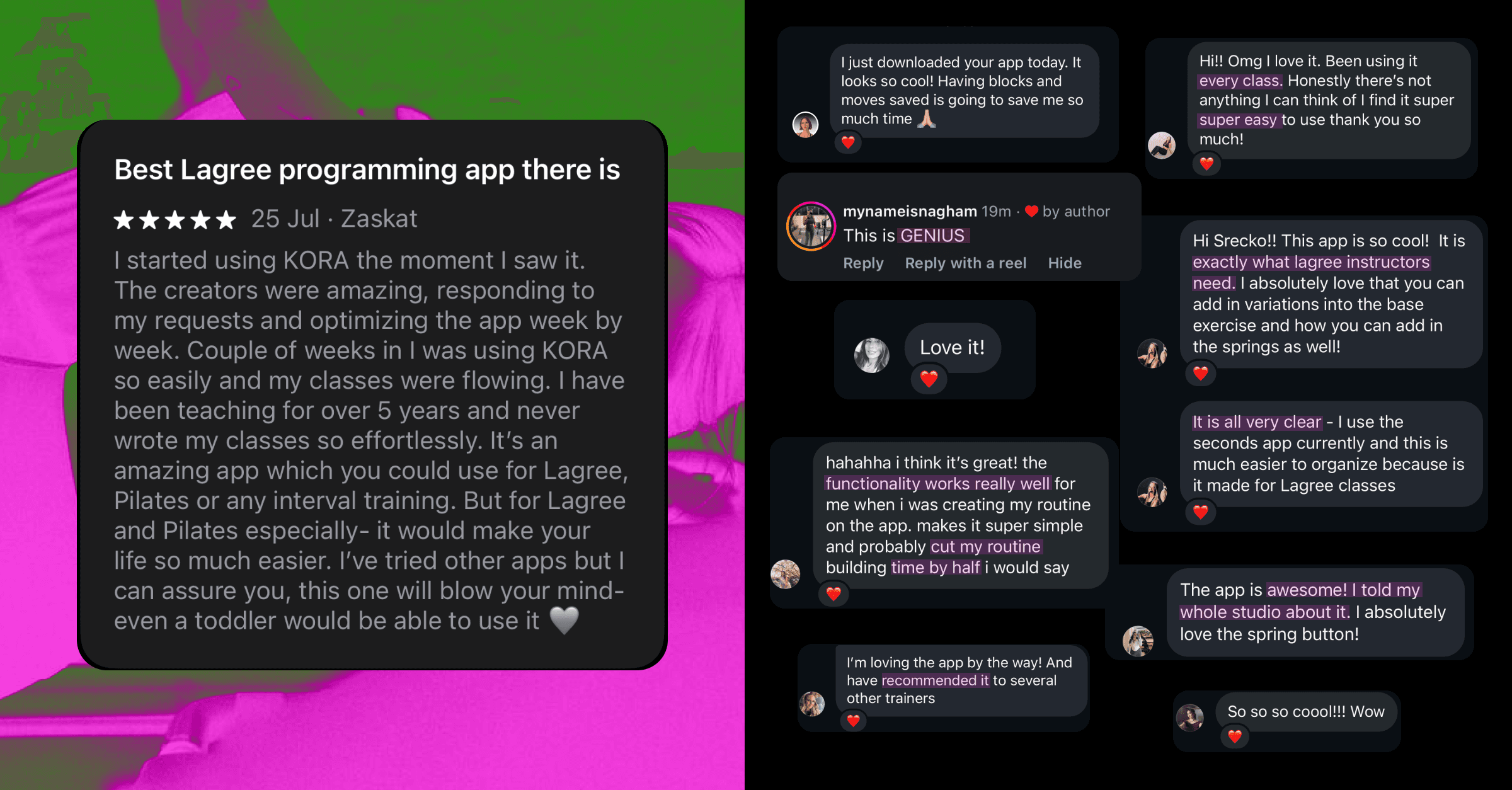
Then came a different challenge: distribution. An app does not find its own customers. Chelsi and I tried Instagram content, Apple Search Ads, and direct conversations with instructors and master trainers who teach other coaches. Some of her posts led to clear spikes in downloads and purchases. In a small, connected community, a recommendation from the right person can mean more than a broad campaign.
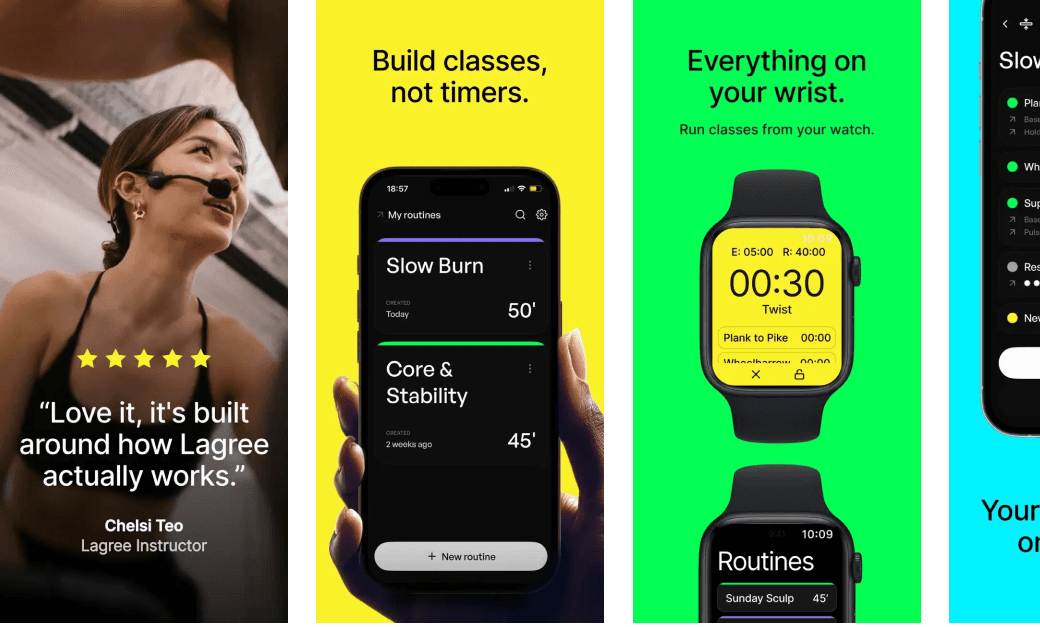
By October 2026, Kora had passed 200 paying customers. That is not a huge number in the world of consumer apps. But for a niche product I built from scratch, it means something: people with a real job to do decided this tool was worth paying for.
Results
- 230
- Monthly active users
- 25K+
- Sessions played
- 216
- Paying customers
As of October 2026, Kora has 230 monthly active users, more than 25,000 sessions played, and 216 paying customers. Growth has been almost entirely word of mouth—instructors sharing Kora with their studios unprompted. Conversion from free to paid sits around 21%, which tells me the product and pricing land once someone sees it; the current bottleneck is reach, not persuasion.
What I took from it
At Miro, I could take a product from an ambiguous problem to a shipped experience, but I was still part of a larger team. Kora made me responsible for everything: research, UX, visual design, technical decisions, testing, App Store release, pricing, and getting the product into people's hands.
AI made the build possible for me. It did not make the product decisions, remove the tradeoffs, or do the hard part of earning customers.
Kora is still evolving, with reformer Pilates as a potential next audience. But the biggest result for me is already here: I did not just design an app. I built and launched a product people pay for.